
The Complete Tucson Homeowner's Roof Maintenance Guide

Most homeowners think about their roof twice a year: when something leaks, and when it is time to replace it. Everything in between gets ignored.
That approach works fine in mild climates. In Tucson, it is a costly mistake.
Your roof faces conditions that most roofing systems were not originally designed for. Temperatures that exceed 100°F for months at a time. UV radiation that breaks down materials faster than almost anywhere else in the country. Monsoon storms that deliver intense wind, rain, hail, and debris in a matter of minutes. Then dry, dusty conditions that crack and age materials between storms.
The good news is that most major roof failures are preventable. A consistent maintenance routine catches small problems before they become expensive ones, extends the life of your roof by years, and keeps your warranty valid.

This guide gives you a practical, season by season maintenance plan built specifically for Tucson's climate.
Why Roof Maintenance Matters More in Tucson
Every climate creates wear on roofing systems. Tucson's climate creates wear faster and in more ways than most.
Extreme heat and UV exposure
From May through September, Tucson regularly sees temperatures above 100°F. Attic temperatures during peak summer can climb significantly higher. That sustained heat causes roofing materials to expand, contract, dry out, and degrade at an accelerated rate.
UV radiation compounds the problem. Tucson receives more annual sunshine than almost any major city in the United States. UV breaks down the oils and binders in asphalt shingles, dries out tile underlayment, and degrades foam and membrane roofing systems over time.
The result is premature aging. A roof that might last 25 years in a temperate climate may show significant wear in 15 years in Tucson if it is not properly maintained.
Monsoon season stress
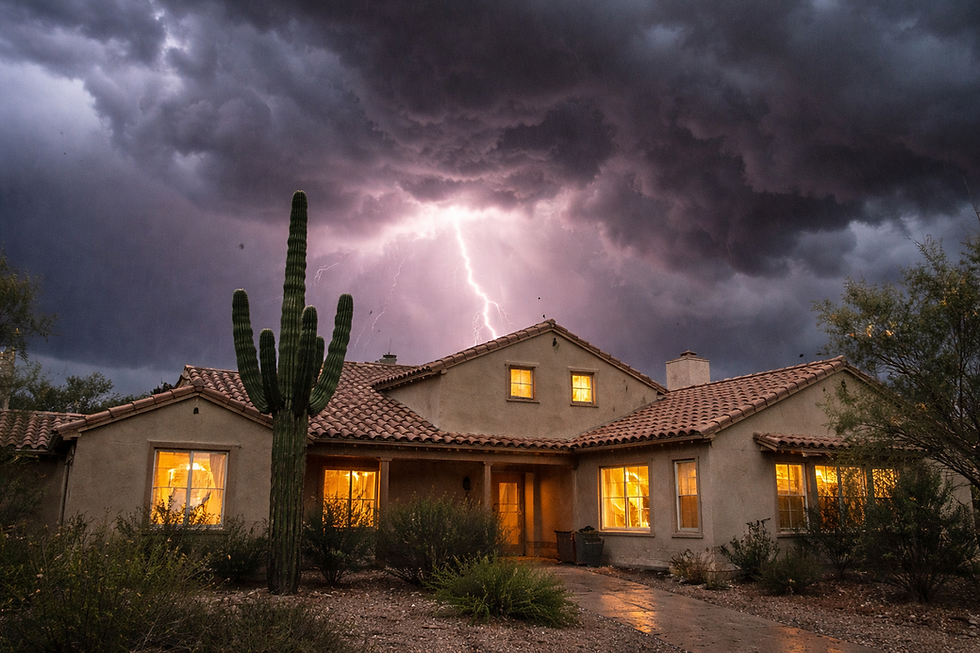
Tucson's monsoon season runs from mid-June through September. During those months, storms can arrive quickly and deliver substantial force. High winds, heavy rain, hail, and airborne debris all stress roofing systems that have already been softened by months of heat.
A roof in good condition handles monsoon storms well. A roof with small existing problems — loose flashing, cracked tiles, aging underlayment, clogged drains — can fail quickly when the storms arrive.
For a detailed look at how monsoons affect your roof and what you can do to prepare, see our guide on how Tucson monsoons damage your roof and how to prepare.
The combination effect
Heat weakens. Monsoons test. That cycle repeats every year. Each year without maintenance compounds the wear from the previous year. What starts as a minor issue — a small crack, a slightly loose tile, a bit of granule loss — becomes a significant problem faster in Tucson than in most other places.
Consistent maintenance breaks that cycle.
Your Seasonal Roof Maintenance Calendar
Tucson's climate has four distinct phases that each require different attention. Here is what to do in each season.
Spring (March – May): Pre-Season Preparation
Spring is your most important maintenance window. This is when you assess winter wear, prepare for the heat, and get ahead of monsoon season before it arrives.
What to do in spring:
Schedule a professional inspection A professional inspection in March, April, or May gives you a clear picture of your roof's condition before the two most demanding seasons begin. A qualified inspector evaluates every component of the roof system, not just the surface. For a detailed breakdown of what professionals look for, see our guide on what Tucson roofing contractors look for during a professional roof inspection.
Clear debris from the roof surface Winter winds deposit leaves, branches, and debris on your roof. Debris holds moisture against roofing materials and can block drainage. Clear it off before the heat season begins.
Inspect and clear all drains, gutters, and scuppers Drainage is critical. Blocked drains cause water to pond on flat and low slope roofs, which accelerates membrane deterioration and increases leak risk. Clear all drainage points and confirm water flows freely.
Check flashings Flashing is the metal or membrane material that seals transitions — where the roof meets walls, chimneys, vents, skylights, and other penetrations. Flashing is one of the most common sources of leaks. Look for lifted edges, rust, cracks, or gaps in the sealant. These are best addressed before monsoon season.
Inspect visible tile or shingle surfaces Walk the perimeter of your home and look up at the roof surface. Look for cracked, broken, or missing tiles. Look for shingles with significant granule loss, curling edges, or visible damage. Note anything that looks different from the surrounding material.
Check attic ventilation Proper ventilation is essential for managing attic heat in Tucson. Blocked vents, inadequate airflow, or damaged ventilation components cause heat to build up in the attic, which accelerates roof aging from below. Our guide on attic heat and roof ventilation in Tucson explains how ventilation affects your roof's lifespan and your energy bills.
Trim overhanging branches Tree branches that overhang your roof drop debris, scrape surface materials in the wind, and create pathways for pests. Trim any branches that hang over or near the roofline before monsoon season.
Summer (June – September): Active Monitoring
Summer in Tucson is not the time for major roof work. Extreme heat makes roofing surfaces dangerous to walk on and can damage materials during installation. This season is about monitoring and responding quickly to problems.
What to do in summer:
Complete pre-monsoon prep by mid-June Monsoon season officially begins June 15. Any repairs identified in your spring inspection should be completed before that date. Our Tucson monsoon roof prep checklist walks through exactly what to address before the first storm.
Inspect after every significant storm After major monsoon storms, do a visual inspection from the ground. Look for:
Displaced or broken tiles
Missing shingles
Visible debris impact damage
Water stains appearing on interior ceilings or walls
Pooling water on flat roof sections
You do not need to get on the roof after every storm. A careful ground level and interior check is sufficient to identify whether professional attention is needed.
Address leaks immediately If you notice a leak or water intrusion after a storm, do not wait. Water damage compounds quickly. A small leak that is addressed within days is a minor repair. The same leak left for weeks can mean damaged decking, mold, and significantly higher repair costs. Our guide on roof leaks in Tucson: common causes and what to do first walks you through the immediate steps to take.
Monitor interior warning signs During the monsoon season, periodically check your attic and ceilings for signs of moisture. Water stains, soft spots, or musty odors in the attic are early indicators of a leak that may not yet be visible from below.
Avoid unnecessary roof traffic Walking on a hot roof in Tucson summer can damage roofing materials, particularly tile and foam systems. Avoid getting on the roof during peak heat unless there is an urgent issue that requires immediate attention.
Fall (October – November): Post-Season Assessment
After monsoon season ends, fall is your opportunity to assess what the summer delivered and address any damage before winter.
What to do in fall:
Schedule a post-monsoon inspection A professional inspection in October or November documents any damage from the monsoon season and identifies repairs that should be made before winter. This is especially important if your roof is more than 10 years old or if you experienced significant storms during the season.
Document any damage for insurance purposes If monsoon storms caused damage, fall is the time to document it properly and file any insurance claims. Photograph damage clearly and contact your insurance provider promptly. Delays in reporting can complicate claims.
For guidance on what your insurance covers, see our guide on monsoon roof damage in Tucson: what insurance covers and what it doesn't.
Clear debris and check drainage again Monsoon season deposits significant debris on roofs and in drainage systems. Clear everything out after the season ends to prevent moisture retention during winter rains.
Check and reseal penetrations Inspect all roof penetrations — vents, pipes, skylights, HVAC equipment — and check the sealant around each one. Heat cycling through summer can cause sealants to crack or pull away. Reseal any gaps before winter moisture arrives.
Repair identified damage promptly Any damage identified in your post-monsoon inspection should be repaired in fall, not deferred to spring. Tucson does receive winter rain, and unrepaired damage will worsen with moisture exposure over the winter months.
Winter (December – February): Low Season Maintenance
Tucson winters are mild compared to most of the country, but they do bring rain and occasional cold snaps. Winter is a lower intensity maintenance period, but it is not one to ignore entirely.
What to do in winter:
Monitor during rain events Winter rains are Tucson's second moisture season. Check your attic and ceilings during and after significant rain events for any signs of water intrusion.
Keep drainage clear Winter storms can deposit debris that blocks drainage. Check gutters, scuppers, and drains periodically and clear any blockages.
Plan spring maintenance and repairs Use the quieter winter months to plan your spring inspection and any repairs you know are needed. Scheduling early means you get on the calendar before the spring rush, when roofing contractors are in high demand as homeowners prepare for monsoon season.
Consider a professional inspection if the roof is aging If your roof is approaching the end of its expected lifespan, a winter inspection gives you time to plan for replacement before the busy season. Understanding how long different roof types last in Tucson's climate helps you make informed decisions. Our guide on how long a roof lasts in Tucson covers realistic lifespan expectations for tile, shingle, flat, foam, and metal roofs.
What You Can Do Yourself vs. What Needs a Professional
Not everything on this list requires a contractor. Here is a clear breakdown.
✅ Homeowner tasks
Ground level visual inspections
Clearing debris from the roof surface (single story, safe conditions only)
Cleaning gutters and downspouts
Trimming overhanging branches
Checking attic and ceilings for moisture signs
Photographing and documenting damage
Monitoring after storms
🔧 Professional tasks
Full roof inspections
Flashing repair or replacement
Tile repair or replacement
Underlayment assessment and repair
Sealant application around penetrations
Drainage system repairs
Any work on steep pitch roofs
Post-storm damage assessment for insurance purposes
Any repair involving structural components
A note on safety: Tucson roofs are steep, hot, and often covered in materials that can crack under foot traffic if not walked correctly. Tile roofs in particular require specific technique to avoid breaking tiles. Unless you are experienced with roof work and have proper safety equipment, leave anything beyond ground level observation to a professional.
Warning Signs to Watch for Year Round
Between scheduled inspections, these are the signs that warrant a call to a roofing professional regardless of the season.
On the exterior:
Cracked, broken, or missing tiles or shingles
Visible sagging in any section of the roof
Granules from shingles accumulating in gutters or on the ground
Flashing that is lifted, bent, or separated from the surface
Visible gaps or holes in any roofing material
Moss or algae growth (unusual in Tucson but possible in shaded areas)
On the interior:
Water stains on ceilings or walls
Soft or spongy spots in the ceiling
Peeling paint near the roofline
Musty odors in the attic
Visible daylight through the roof deck in the attic
Sudden increase in energy bills without another explanation
Any of these signs warrants a professional inspection. Catching problems early is always less expensive than addressing them after they have progressed.
How Maintenance Extends Roof Life
The connection between maintenance and roof lifespan is direct and well documented.
A roof that is inspected regularly, has minor issues addressed promptly, and is kept clear of debris and drainage blockages will consistently outlast a neglected roof of the same material and age.
In Tucson specifically, the difference can be significant. The heat and UV exposure that accelerate aging also make small problems progress faster. A cracked tile that allows moisture into the underlayment in a temperate climate might take years to cause a visible leak. In Tucson, the combination of heat expansion, monsoon moisture, and UV degradation can turn that same crack into a serious problem within a single season.
Regular maintenance also keeps manufacturer warranties valid. Most roofing material warranties require evidence of proper maintenance. A warranty claim on a neglected roof can be denied, leaving you without coverage on a product that was supposed to be protected.
For a realistic picture of what your specific roof type should last in Tucson with proper maintenance, see our guide on how long a roof lasts in Tucson.
How Paramount Roofing and Design Can Help
We offer professional roof inspections for Tucson homeowners at every stage of the maintenance cycle. Whether you need a pre-monsoon assessment, a post-storm evaluation, or a comprehensive inspection of an aging roof, our team provides honest, detailed findings with no pressure and no upselling.
We also handle all repairs identified during inspections, from flashing work and tile replacement to underlayment repair and drainage system maintenance. Our goal is to help you get the maximum life out of your roof and avoid the cost and disruption of premature replacement.
Ready to schedule an inspection or discuss your roof's condition?
(520) 303-6560
paramountroofingdesign.com
Related Resources:


Comments